
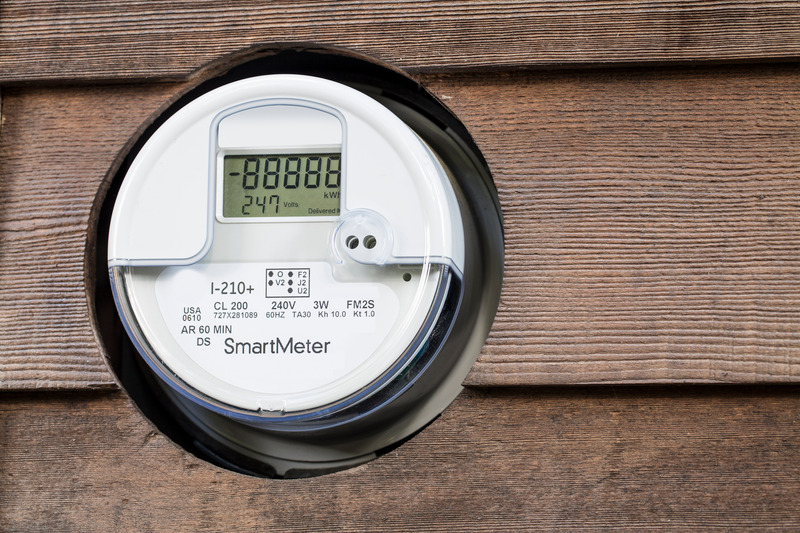
MVM Next’s D tariff can take effect in Hungary from 1 January 2027 at the earliest. Consumption within the discounted allowance retains a fixed, discounted price; consumption above it is billed using market-linked pricing based on quarter-hourly electricity prices and when energy is used. Eligibility requires suitable metering and monthly interval-based billing.
The opportunity lies in timing: shifting flexible electricity consumption to lower-price periods can reduce operating costs.
Metraon helps put this into practice. It monitors published electricity prices and adjusts connected building equipment according to configured operating rules.
Domestic hot water provides a practical example. A hot-water tank stores thermal energy, allowing some water heating to take place when electricity is cheaper. This can reduce electricity use during expensive periods while respecting hot-water demand, required temperatures and hygiene requirements.
A dynamic tariff does not guarantee savings: prices can rise as well as fall. Actual results depend on the tariff, operating efficiency and how much consumption can be shifted. Metraon helps building operators understand that flexibility and use it effectively.
Let’s explore what smarter scheduling could mean for your building.